Showing posts with label allergy. Show all posts

7.11.09

Celery Heal Allergies & Blood poisoning

Celery heal allergies and blood poisoningCelery is vegetable we use almost every day in cooking, salad, juice or just eat raw. Its presence makes food more delicious, because it gives taste and distinctive aroma. Celery is testier if it is eaten freshly or lightly cooked, this vegetable has many benefits not only to be used for seasoning food, but it also can be used to treat some illness.

Besides to cure skin diseases, celery is also highly recommended to overcome the poisoning of the blood and cure allergy. It can be used without any mixture, meaning you just take fresh celery and eat them, but you can also mix with other ingredients such as cucumber juice, carrot and beet.

In a medium-sized celery stalks containing at least 16 mg calcium, 11 mg phosphorus, 0.1 mg iron, 50 mg iodine, 136 mg potassium, 110 IUvitamin A, a vitamin B complex, and 4 mg of vitamin C. In other studies magnesium was also found significant, between 27-32 mg of each stem.

In addition to treating allergies, skin diseases and poisoning in the blood, celery is also quite popular to treat high blood pressure. For that take a fresh cucumber or about 1 ounce and two fresh celery stalks wash to clean them. Eat them as salad without any dressing (just raw), or you can also blend them a juice, just add some water.

17.9.09

Reasons behind yawning!

Yawning is a sign that you are exhausted, but what the trigger that you feel exhausted? Find out here surprising reasons to the most common ones why you’re getting tired.
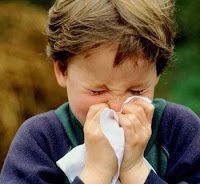
According to WebMD, here are the reasons why you are feeling tired:

1. Diet: people always misinterpreted that diet is eating as less as possible; the fact is if you're not eating enough, for sure you are getting tired sooner. For our activity we need calories that generate energy so recheck your diet when you easily get tired.

2. Caffeine: people tend to consume more caffeine when they get tired, but over consuming caffeine, according to experts actually can sometimes backfire, you feel more exhausted. Next time drink some fruit juice to substitute your next glass of caffeine.

3. You might have some food allergies you didn’t aware of: Some physician believes that exhaustion could be a sign of hidden food allergies, so get yourself allergy test periodically. To find out sooner is better.

4. A hidden UTI: Some times the only sign of a urinary tract infection is easily exhausted; this is as reported by WebMD. If you have pain and burning feeling when you pee, and easily fatigued, then is time to talk to your doc. You only need a urine test to confirm a UTI.

5. You might have undetected thyroid problems: exhaustion is one symptom of a thyroid condition called hypothyroidism. Luckily, this is such a curing thing. According to health experts, every woman is recommended to have her thyroid levels tested periodically; it is done by just a simple blood test.

6. Sleepless, working too hard is just few other reasons why you are getting exhausted, not to mention when you are in deep stress. Life needs to be in its balance to get it in order, so you need to sleep, and you surely need a vacation too!

16.11.08

Allergy

AllergyAllergy or Hypersensitivity is a reaction of your immune system to something that does not bother most other people.

People who have allergies often are sensitive to more than one thing. Substances that often cause reactions are

* Pollen
* Dust mites
* Mold spores
* Pet dander
* Food
* Insect stings
* Medicines

How do you get allergies? Scientists think both genes and the environment have something to do with it. Normally, your immune system fights germs. It is your body's defense system. In most allergic reactions, however, it is responding to a false alarm.

Allergies can cause a runny nose, sneezing, itching, rashes, swelling or asthma. Symptoms vary. Although allergies can make you feel bad, they usually won't kill you. However, a severe reaction called anaphylaxis is life-threatening.

31.10.08

Skin Allergy Treatment

Skin allergies, or allergic contact dermatitis, are allergies of skin that occur when a substance that a person is allergic to touches the skin. The symptoms caused by this will appear suddenly and may disappear within half an hour after the attack. Inflammation can occur after being on contact with an item or substance that present no harm at all to people who do not suffer from this allergy.

Symptoms of Skin Allergies
People suffering from skin allergies may experience the following symptoms during an allergy attack:

* Skin rashes
* Blisters on the skin
* A sudden immobility (only in rare cases of extreme allergies of the skin)
* Scaling of the skin
* Hives (a rash looking like raised welts on the skin that itch and occur in batches

The symptoms are mostly experienced on the hands as they get in contact with items and substances all day long, during work or at home.

Types of Skin Allergies
The term eczema is sometimes interchanged with another skin allergy condition; dermatitis. Eczema is actually an advanced type of dermatitis with more serious results.

Allergic contact dermatitis

This skin allergy rash occurs when the skin touches an object or substance that it is allergic to. The symptom (a rash or itch) usually occurs within 30 minutes after touching the object. Inflammation of the skin can occur and the skin must not be scratched or covered with anything when this happens.

Eczema
This is a skin condition causing a red rash and itching on the skin. Eczema skin symptoms can cause a lot of discomfort and the disease is most likely to affect children. Eczema affects approximately seven in a thousand people and most of these patients are children aged between two months and five years old.

Eczema is a form of dermatitis in an advanced stage and can cause blisters and scabs and oozing liquid from the skin. A cure for eczema must be determined by a doctor and experimenting with over the counter treatments that offer relief is not advised when the condition has been diagnosed, especially not with children. Conventional allergy therapies seem to have no to little effect on eczema.

Hives
Skin hives are a type of skin rash that is usually harmless. Caused most of the time by an allergy this rash looks like circular raised welts on the skin that can go red and itchy. The hives will show up in batches and can appear all over the body. Hives can be different in size, ranging from very small to a few centimetres in diameter.

Diagnosis of Skin Allergies
Skin allergies are usually diagnosed by checking for skin rashes, the appearance of skin infection and itchy skin on the usual areas of the skin being mainly the face and chest but possibly also other areas. The doctor will probably check your family history with you to find out if any other relatives have the same problems. He will also review the following with you:

* Your diet, to make sure that there are no food allergies involved.
* Allergic tendencies (do you have more sensitive or allergic reactions).
* Prescribed drug intake that may affect the skin.

The doctor might decide to perform a blood test for skin condition called a radioallergosorbent test (RAST. A small amount of your blood is taken after which the blood is mixed with the suspected allergen. Antibodies developing in the blood are a sign of a skin allergy.

To further determine your diagnosis a skin lesion biopsy might also be performed during which a small piece of skin is removed and examined in a laboratory, where it is tested for symptoms of skin allergies.

16.10.08

Allergy medications: Know your options

Because you can't always avoid allergy triggers, you may need medication to help alleviate allergy symptoms.

Allergy medications are available in pill, liquid, nasal spray, eyedrop and skin cream (topical) forms. Some are available over-the-counter while others are available by prescription only.

The best medication or combination of medications for you depends on your symptoms, what other health conditions you have and what other medications you take. Certain allergy medications work better for some people than others. You may need to try a few different medications to determine which ones are most effective and have the least bothersome side effects.

To choose the best allergy medications for you, learn what's available to treat your symptoms — and work with your doctor to figure out what medications is best for you.
Options for allergy medications

There are several types of medications used to treat and prevent allergy symptoms. Medications are available in pill and liquid forms, nasal sprays, eyedrops and skin creams.

* Corticosteroids help prevent and treat the inflammation associated with allergic conditions.
* Antihistamines block histamine, an inflammatory chemical released by your immune system during an allergic reaction.
* Decongestants relieve nasal and sinus congestion.
* Leukotriene modifiers block the effects of leukotrienes, inflammatory chemicals released by your immune system during an allergic reaction.
* Cromolyn sodium prevents the release of histamine, an inflammatory chemical released by your immune system during an allergic reaction.

If you need further details visit here please!

14.10.08

Keep Your Upper Respiratory Allergies in Check! They Are Likely to Lead You Towards Asthma!

Keep Your Upper Respiratory Allergies in Check! They Are Likely to Lead You Towards Asthma!The presence of both allergy and asthma relates to the form that the allergic reaction assumes, essentially, respiratory distress. Fortunately allergic asthma treatment will reverse the symptoms, but allergic asthma is far and away the most common form of asthma and affects some 20 million individuals annually.

What is Immunoglobulin E?
The antibody Immunoglobulin E (IgE) plays a major role in allergic conditions including allergic asthma. It binds to allergens and triggers the release of histamine and other substances that cause a series of chemical reactions resulting in airway constriction and inflammation. Some new methods of treatment seek to target asthma attacks at the source, IgE, and involve injections administered by a doctor. These treatments are extremely expensive and are currently used only in severe cases.

What are the Symptoms of Allergic Asthma?
In allergic asthma the symptoms are triggered by an allergic reaction to some inhaled substance, for instance dust mites, pet dander, pollen, or mold. The affected individual will experience coughing, wheezing, shortness of breath or rapid breathing, and chest tightness. The condition causes airway obstruction and inflammation.

What are the Causes of Allergic Asthma?

While there may be a genetic predisposition for allergies and asthma, the usual culprits are agents in the environment. This can be anything from air pollution, to dust mites, mold, pet dander, tobacco smoke, and even the presence of cockroaches in the home or workplace. Even the holidays, when foods not normally present are served or specific plant materials are used in decorations can trigger attacks.

How will I know if I have Allergic Asthma?
Although you may suspect that you have a combination of allergy and asthma, only a doctor can confirm the presence of these conditions. Normally diagnosis involves a skin or blood test to determine if your attacks are being triggered by allergens present in the air year roun

14.9.08

Most Common Allergy Testing Procedures

Although there are many allergy testing methods used to determine the presence of allergens, but the three most common allergy testing procedures are skin tests, elimination tests, and the radioallergosorbent test (RAST). It should be noted, however, that the accuracy of these tests varies widely and even the same test performed at different times may yield different results. It is also possible for a person to react to a substance during testing but not under normal exposure. False negatives occur often.

SKIN TESTS

Allergy skin testing is by far the most used of the three methods but it too varies in methodology. With the scratch test a small amount of the suspected allergen is placed on the forearm or upper arm (or on the back) and then introduced under the surface by scratching or pricking. The skin is then observed for swelling or redness. Results normally appear in about 20 minutes and the test can be conducted with a number of suspected allergens at one time. Skin tests are useful in detecting respiratory allergies, penicillin allergy, insect allergies, and food based allergies.

ELIMINATION TESTS


Food allergies are also often investigated via an elimination diet. Suspect foods are removed from the diet for several weeks and then re-introduced one at a time with the person monitoring their reactions. Because some people become convinced that they are allergic to a given food, double blind tests are sometimes required in which suspect foods and harmless placebos are disguised and given to the patient.

RADIOALLERGOSORBENT TEST (RAST)

Food allergies can be extremely severe however and given the potential for a life-threatening reaction, an allergy blood test is often a safer approach. The radioallergosorbent or RAST test is performed in a laboratory and tests for specific amounts of IgE antibodies that will be present in the blood during a true allergic reaction.

14.1.08

Allergy Alert: Breathe Easy, Naturally

Itchy, watery eyes, running nose, an aching head, and sinus congestion. Sound familiar? You may be among million people in the world who suffer from allergic rhinitis or sinusitis. Consider combating your springtime woes naturally with these time-tested self-healing techniques.

Allergens in the Air

When you are sinuses, the air-filled hollow cavities around your nose and nasal passages, become inflamed, fluid can accumulate and interfere with normal drainage of mucus in the sinuses. This condition is known as acute sinusitis. The result? You may have trouble breathing through your nose and feel your eyes and facial tissue swell up.

Your symptoms may include a headache, fever, a nagging cough, post-nasal drip, thick green or yellow discharge, and a feeling of facial "fullness" that gets worse when you lean forward; during a severe sinus infection, some people even experience a toothache.

This uncomfortable condition has many possible causes, including bacterial, viral, and fungal infections, allergies, or a deviated septum. Synonymous with spring, allergic rhinitis, commonly called hay fever, is the inflammatory result of your immune system's overreaction to allergens in the air.

Pollen is one famous offender. Other allergens include dirt, pollution, animal hair, food particles cloth fibers, and mold.

Surprising Secrets for Sinus Health

Here are some all-natural ways to gain freedom from sinus suffering.

• Clear your sinuses and your mind with a steamy stovetop spa. Add a few drops of wintergreen oil to a pot of boiling water and inhale the steam. Take care not to be burned by the vapor.

• Herbs and spices like ginger, scallion, basil, garlic, oregano, cayenne peppers, white pepper, horseradish and turmeric will have your sinus passageways unblocked in no time!

• The supplement bromelain - a papaya and pineapple-based enzyme - helps reduce histamine release, the body's natural allergic response.

• Clear your nasal passageway daily for healthy, happy sinuses. Add 1 tsp of sea salt, 1 drop of oregano oil, and 1 drop of wintergreen to a cup of warm water. Fill a small-spouted squeeze bottle with this warm solution. Squirt into one nostril at a time and blow out through the nose. Alternate nostrils.

• Press one clove of garlic, mix with 1 tsp of olive oil and soak a clean cotton ball with the oil mixture and place in nostrils after having washed the nostril with warm salt water. Leave in for 20 minutes and repeat three times a day until the symptoms clear up.

• These two simple self-massage practices that follow are incredibly effective for relieving sinus congestion. For both, sit at the tip of a sturdy chair with your back erect, spine stretched, and your head tilted slightly forward.

1. Inhale and gently press your forehead just inside the temples with your palms. Exhale and release. Repeat three times.

2. Cross your middle and index fingers by placing the tips of your middle fingers on top of the fingernails on your index fingers. Rub the sides of your nose 36 times in a circular motion, warming your fingers first if they're cold.

What you eat affects your sinus health

Avoid the foods that produce mucous and dampness: dairy products, cold and raw foods, corn (including corn syrup), and simple sugars. Choose whole grains like quinoa, amaranth and brown rice instead of wheat, rye and barley, which are typically high allergy grains. Opt for papaya, cranberries, pear, pineapple, cherries, mango, and citrus fruits. Eat more green vegetables such as artichoke, Brussels sprouts, broccoli, kale, cauliflower, and spinach.

Both alcohol and smoking should be avoided during a sinus flare-up as they irritate the respiratory tract and worsen nasal inflammation. Also, sinus congestion is often worse with lack of quality rest so be sure to get plenty of sleep and keep your stress level low.

I hope that you find the ways to keep your sinuses clear and freely flowing. I invite you to visit often and share your own personal health and longevity tips with me. Have a healthy Life!