31.1.12

Simple Tips for a Happier Relationship

Happier RelationshipWhat's your New Year's resolution for 2012? To exercise more? To be more productive? We bet "a more honest and open relationship" isn't on many of your lists. That's because tons of people put their relationships on autopilot, hoping the kinks will just work themselves out - and then they argue each and every day, and end up resenting each other. The best way to have a happy relationship is to keep working on it, so even if you're not currently in a relationship rut, follow these 12 tips from our staff and you'll keep being happy.

1. Say "please" and "thank you." This shows your partner you appreciate them and keeps you from taking each other for granted.
2. Grab your partner's butt every day (or at least every other day).
3. Kiss every morning!
4. Say "good morning" every morning.
5. Cuddle.
6. Spend at least one night a week with your significant other and family/friends, i.e. don't hole up all by yourselves.
7. Use baby talk/pet names very sparingly. If you overuse these, you could damage your relationship since you won't be able to relate to each other seriously.
8. DO THE DISHES. Set up some type of system for who does them when.
9. Practice listening.
10. Practice honesty, even when it's uncomfortable.

11. If you and your partner are indecisive about where to eat or what movie to watch, play the "5-3-1" game. One person names five choices, the other vetoes two of them, and then the first person eliminates the remaining two. Ta-da, no more "Where you do want to eat?" "I don't care, what do you want to do?" (From 8 Relationship Tricks Happy Couples Use)

12. If you live together, make sure you each still have your own private space where you can retreat to work, think, or partake in bizarre grooming rituals that the other person wouldn't want to see.

29.1.12

Drinking Water: It will help you de-stress

Drinking WaterBeing sure to sip water throughout a stressful day can soothe stress-induced symptoms as diverse as headaches, tense muscles, fuzzy thinking, a pounding heart, and low energy. That's because stress taxes all your basic body systems and when you're dehydrated, the effects are magnified.

Given that more than half your body weight is water, just a 2-percent reduction in hydration has a dramatic impact on energy levels and cognitive function and dehydration further raises levels of cortisol, the "stress hormone.

Water won't wash your stress away. But it can provide you with more energy, ease tension, slow breathing, and reduce the strain on your heart.

Eight by eight -eight 8-ounce glasses a day- is a good general rule of thumb, but it's a myth that's the magic amount for everyone, because there are so many variables. The "right" amount for you depends on factors including your age, your activity level, your health level, medications you're taking, and the weather. So how do you know if you're drinking enough? Follow your thirst, and know that you're on the right track if you have straw-colored urine.

28.1.12

Don't skip breakfast!

breakfastWhen you wake up after a long night's rest, your body has gone as much as 12 hours without a meal. That means one thing: You need fuel. More precisely, it means there's probably a shortage of glucose in your bloodstream. If you don't eat breakfast and head out the door with low blood sugar, one organ in particular won't be operating at full speed: your brain, which requires a steady flow of blood sugar to run effectively. And even a mild case of low blood sugar can leave you queasy and jittery. You may also feel less sharp-witted. Studies of school children have shown repeatedly that kids who eat breakfast have better memories and learn more than their classmates who don't.

What's more, blowing off breakfast is a set-up for pigging out later on. "Breakfast is important for keeping your appetite under control the rest of the day," says endocrinologist Suma Dronavalli, MD, of the University of Chicago Medical Center. In other words, skip breakfast and by noontime your groaning stomach will convince you to skip the salad and order a Dagwood-size sandwich, instead. Most people more than compensate for the calories they miss at breakfast by overeating at lunch and dinner - especially foods high in saturated fat, the kind that plugs arteries.

Meanwhile, breakfast skippers are also more likely to snack on junk food between meals. One study found that women who usually nixed breakfast were able to take off four pounds - simply by adding a nutritious meal in the morning. Eat breakfast regularly and you'll not only lose weight, but your blood sugar should shape up, too.

More than three quarters of people who lose weight and keep it off eat breakfast. Sitting down for the morning meal may also make you up to 50 percent less likely to develop insulin resistance, the problem that causes type 2 diabetes.

24.1.12

Omega Supplements and Body Weight

Omega SupplementsThere are two types of polyunsaturated fats that are essential to your health and must come from your diet: omega-6 and omega-3.

Both types are required by our bodies and both are found in large amounts in our brains. Omega-3 polyunsaturated fats are unquestionably beneficial, because they reduce both weight and inflammation and are very critical to healthy brain function.

However, while our bodies do require some omega-6, the excessive amount in the average American's diet has been shown to increase appetite and weight, and also promote inflammation in your body tissues. Extraordinarily heavy dose of omega-6 is not good for us, inflammation plays a critical role in coronary disease.

What is it about the modern diet that's leading you to eat too much omega-6? Like omega-3, omega-6 fats occur naturally in small amounts in plants and in the meat of animals that eat plants, while nuts and seeds tend to have more omega-3. The problem for us today is that there is more than 20 times as much omega-6 as omega-3 in the our diet.

The culprit? Industrially processed vegetable oils, like corn and soybean oils, which according to Lassek, are added to most prepared foods. A problem arises when the balance of omega-6 to omega-3 fatty acids is off. Omega-6 is easily found in the standard diet, while omega-3 is not. Our body needs a ratio of 1:1 omega-6 to omega-3, but the typical of us consumes at least 15 times as much omega-6 as omega-3.

22.1.12

What happens when you don't have enough sleep?

lack of sleepNo one knows for sure why sleep is necessary, but there's no doubt that getting too little throws a wrench into your body's works. For example, studies show that a sleep debt lowers levels of the hormone leptin, which helps keep your appetite under control. Implication: Sleep too little, and there's a good chance you'll be soon overeating. Sleep deprivation also boosts levels of stress hormones, which prompt your body to send more glucose into your bloodstream. Too little sleep also makes your body less sensitive to insulin.

But that's just the beginning. Research shows that sleeping too little shuts down production of certain chemicals in the immune system that defend your body against germs. Shortchange yourself on shut-eye and you may want to have a box of tissues and cough medicine handy: A 2009 study found that people who sleep less than seven hours a night are up to three times more likely to develop a cold.

Other studies show that even modest sleep deprivation - cutting back from your usual eight hours a night to six hours, for instance - can turn up levels of chronic inflammation, which increases the risk for many conditions, including heart attacks, strokes, and osteoporosis.

Then, there are the immediate effects. When the alarm clock blares you out of a deep sleep, you're apt to start the day in a sour mood. As the day passes, you're also likely to feel dull witted and foggy. Some neurologists believe that one purpose of sleep is to give your brain a chance to build and strengthen the wiring between neurons. Studies show that well-rested people learn new information faster and have sharper memories. Short sleep reduces your reaction time, too, making you at risk for car accidents and other mishaps.

While some people can get by on relatively little sleep, most of us need seven to eight hours a night. Experts say one sign that you're getting adequate sleep is that you can wake up on time every day without using an alarm clock.

20.1.12

What happens when I spend the day really angry?

angryThere's nothing wrong with getting angry - it's perfectly natural and healthy to get ticked off now and then. Staying angry is another matter altogether: It's terrible for you. Apart from wrecking your mood and alienating others, fuming all day can make it much harder to manage diabetes. Anger is a form of emotional stress, which causes your body to release adrenaline and other related hormones. One effect of these "stress" hormones is to raise blood sugar. Also, stress may make you indulge in bad habits, such as eating junk food, which can make matters worse.

There's more. Letting your anger boil all day can damage your heart. Do you get irked and annoyed now and then, but you're able to shrug it off? No big deal. But scientists now know that clinging to anger raises blood pressure. While that's not a big surprise, a recent Yale study found that people who tend to let their anger stew also have high levels of a substance called endothelin, which is known to trigger heart attacks by causing plaques in the arteries (clumps of fat, cholesterol, and other gunk) to burst open and form blood clots. Other research has found that intense, sustained anger can actually cause an arrhythmia, or irregular heartbeat, which can stop your ticker from ticking - permanently.

Day-long anger can be toxic, so find a way to let it go. Write down your rage in a journal. If a friend or family member made you mad, tell 'em. Or just go outside and scream - whatever helps you blow off steam.

19.1.12

The 4 Best Sweeteners to Have in Your Kitchen

SweetenersThere are many sweeteners products nowadays, according to the most recent study conducted by reliable resource, here are the 4 top best guys in sweeteners products:

Good Guy #1: Stevia

"We need to be off of sugar, but we need good alternatives, and stevia is the safest sweetener there is, period," says Gates, who coauthored The Stevia Cookbook: Cooking with Nature's Calorie-Free Sweetener (Avery Trade, 2004). All types of stevia are extracted from the leaves of the stevia plant, but some forms taste better than others, says Gates. People tend to overuse powders, in which the sweetness is really concentrated, so if you've tried powders in the past and didn't like them, try liquid forms, explains Gates, who helped develop a liquid stevia sweetener product. Stevia contains zero calories, but its one downfall is that it doesn't work well for baking. Expect to see more stevia on store shelves, as Coke and Pepsi got the green light to use Truvia (a sweetener made in part from stevia) starting later this year.

Good Guy #2: Sugar alcohols

Popular sugar alcohol sweeteners include xylitol, sorbitol, and erythritol, natural sweeteners made through a fermentation process of corn or sugar cane. They contain fewer calories than sweeteners like pure sugar and honey, but more than stevia. They also leave a cooling sensation in the mouth, and have been found to prevent cavities, explains Dr. Gerbstadt. Just don't overdo it—too much can cause GI distress.

Good Guy #3: Organic, raw local honey

While honey does boast higher fructose levels, it also contains a bounty of cancer-defending antioxidants, and local honey has been said to help alleviate allergy symptoms. Don't limit raw honey's use to your tea, either. Use it to speed healing on burns, and as a natural antiseptic on cuts and scrapes. Honey also has a low glycemic index, so adding it to your tea or yogurt won't lead to energy-busting blood sugar drops later in the day.

Good Guy #4: Blackstrap molasses

Although heavy on the calorie content, blackstrap is rich in iron, potassium, and calcium, making it a healthier choice than nutritionally defunct artificial sweeteners or even regular refined sugar, despite the fact that blackstrap and refined sugar both come from sugar cane. (Dr. Gerbstadt says calorie-containing sweeteners are not recommended for people with diabetes.) We like the organic, Fair Trade Certified version of blackstrap molasses from Wholesome Sweeteners.

18.1.12

Twitter Needs to Do More to Protect Children from Abuse and Exploitation

twitterA child protection unit has called on Twitter to help tackle online child abuse by working harder to report suspicious activity.
The Child Exploitation and Online Protection (Ceop) centre said 'more can be done' to safeguard children who use the micro-blogging website.Social networking sites Facebook and Bebo both report far more incidents of illegal activity to Ceop than Twitter does.

Peter Davies, head of Ceop, said: 'Providers of online services have a responsibility to safeguard their environment in order to minimise the risk to children and close down opportunities for offenders.

'Many companies work closely with us to enhance their ability to do this, including Facebook and Bebo.

'The centre does receive reports relating to material on Twitter but it’s important to say these amount to a very small proportion of 1,000 reports a month relating to a wide range of online environments.'

16.1.12

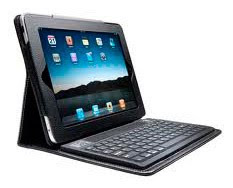
iPad 3 Claims Machine Will be Very Similar to Last Year's iPad 2

iPad3Popular Apple-watching website iLounge claims to have had a first hands-on with iPad 3, behind the scenes at CES. The claim isn't too outlandish: iLounge broke a story about iPad 2 at CES last year, which turned out to be authentic.

Apple itself never exhibits at CES, but the various third-party companies that make cases and add-ons for iPad do - and it's from these that iLounge claims to have had its sneak preview.

Most tech insiders also agree that a new iPad is due, and soon. Predictions of a launch date for the gadget range from as early as February to a later spring launch.

The site's editor-in-chief, Jeremy Horwitz claims to have seen a pre-production model of the upcoming gadget - and goes so far as to claim that others might have seen the gadget too, but it's so similar to iPad 2 that they would have had no idea.

Horwitz claims to have seen a casing for the device, not the screen itself - a crucial point, since an ultra-high-resolution screen is strongly rumoured to be the big improvement that Apple delivers this time round.

15.1.12

Are vegetarians thinner?

vegetarians thinnerIt’s well-documented that vegetarians are healthier than the general population. People who do not eat meat, fowl, or fish have a lower risk of heart disease, lower cholesterol, less incidence of type 2 diabetes, lower rate of hypertension, and lower overall cancer rates.

Now research shows vegetarians are skinnier, too. Because of the way the body metabolizes different types of food into energy, a plant-based diet can actually boost calorie burning by up to 16% for three hours after eating a meal.

Vegetarians tend to consume less fat, especially saturated fat, which mainly comes from animal products. Vegetarians consume more fiber, which is found in fruits, vegetables, whole grains, and legumes, but not in animal products.

14.1.12

Foods to help you settle into slumber

sleep betterHere are some foods that help you sleep: Almonds, oats, pistachios, pumpkin seeds and wheat are all good sources of tryptophan, an amino acid that helps the body produce serotonin and melatonin.

Pair foods that contain tryptophan with complex carbohydrates for even better results.

Complex carbohydrates, such as whole grains help the brain to release insulin, which clears the way for the tryptophan to be absorbed. So, although it sounds more like breakfast, maybe a small bowl of oatmeal sprinkled with almonds would make a nice snack.

Cherries and mangoes contain melatonin, which is thought to induce sleep and now researchers are saying that some red grapes may contain melatonin, too.

Researchers at the University of Wisconsin studied fruit flies and found that potassium might be one of the important elements responsible for sleep.

So, foods like bananas, which contain both tryptophan and potassium may be especially good for sleep and paired with a complex carbohydrate may be even more effective. Try some sliced bananas on whole-wheat toast.

A cup of chamomile tea will help you to relax and de-stress. Chamomile is a flower, so it’s not really tea. Real tea contains caffeine, so you want to avoid that. Just a small cup of herbal tea will do the trick.

Don’t drink too much before bed or you’ll be up during the night to go to the bathroom and that can interfere with your natural sleep cycle.

Eat a light snack or very small meal about one to four hours before bedtime. A meal with carbohydrates will help you to fall asleep more quickly, but can also cause weight gain if you do this on a regular basis.

You also don’t want to eat too close to bedtime because then your body will be busy digesting instead of settling itself into sleep.

And finally, avoid spicy or fatty foods before bedtime. Spices are stimulating and can keep you awake. They may also cause heartburn and interfere with sleep. Fatty foods take longer to digest and will keep your body stimulated when you want it to be relaxed.

13.1.12

Symptoms and How to detox from technology?

detox from technologyThese are symptoms identified as showing your tech habits might be unhealthy:
You can’t go more than a few minutes without checking your smartphone for email or texts.
You log onto Facebook many times a day so you won’t miss an “important” post.
You feel your phone vibrate and whip it out of your pocket and discover it was a case of “phantom pocket vibration syndrome.
You excuse yourself to the restroom specifically to check in with your online world.
You sleep with your cell phone next to you and say you are using it as an alarm when, really, you want to be able to check texts that come in during the night.

How to detox from technology

Most people can benefit from stepping back. Start with 15 minutes of going without checking emails, texts, or social networking sites. Then enjoy using your tech toys for a one-minute "tech break" — a time to use technology. As you discover you aren’t going to miss anything drastically important and start to feel more at ease and focused, you can increase the time between tech breaks.

Rather than fighting kids' compulsion to be connected, it’s more productive to help them gradually expand the time they can stay focused on something other than their mobile device or computer. For example, ask your child or teen to put down their device during a family meal but assure them that they can have a one-minute tech break every 15 minutes afterwards. Gradually increase the time between tech breaks. This strategy is even being implemented in schools where some kids’ anxiety about checking their devices can make it difficult for them to focus in class.

12.1.12

The truth about sugar

sugarHow much sugar can you eat without compromising your health? The American Heart Association (AHA) recommends women limit their consumption to less than 6 teaspoons per day. The AHA wants men to stick to less then 9 teaspoons, and for kids 4 to 8 years old, only 3 teaspoons of sugar are allowed.
Six teaspoons of sugar might seem like a lot if you visualize a pile of table sugar, but is it? One teaspoon of sugar is equal to 4 grams.

Added sugars, added disease: The overconsumption of added sugar has many negative effects on our bodies. According a study published by the American Heart Association in 2010, it can lead to obesity and cardiovascular disease, both of which are epidemic in the United States. The study also points out a growing body of research that indicates too much sugar is linked to high blood pressure. Plus, sugar causes tooth decay.

A 2010 study published in the journal Diabetes Care reported that people who drink one 12-ounce soft drink a day have a 15% greater chance of developing type 2 diabetes and people who drink two soft drinks a day have a 26% greater chance.

11.1.12

Re-purpose old magazines

magazinesRather than tossing all of those trees immediately into the recycle bin, you can give them a brand new life, here are several tips:

Give them away to a friend.
Donate to doctor’s offices or anywhere else that has a waiting room.
Donate them to a school or library.

Cut out the images and text for collages. Collage is always a fun craft to do with kids!

Save them up until the holidays get here, and create these adorable upcycled Christmas trees.

Cut out perfect squares, and use your old magazines to make fun pinwheels. The covers work best, or you can double up pages).

Use cut out images and words to make your own custom marble magnets.
Turn a stack of magazines into a sweet planter.
Transform old magazines into sweet little recycled gift boxes.

Shred the pages to make confetti or for packaging valuables.
Fold them into homemade envelopes.

10.1.12

People who know how to say "NO" are more productive

SAY NOIt's easy to get distracted or overwhelmed at work. But one of the secrets of highly productive people is that they learn when and how to say "no." For starters, say "no" to whiners, complainers and distracting people.

One way to do that is by wearing headphones, that sends the message that you're busy and it drowns out the noise as well. When it comes time to say "no" to the boss, tread lightly but firmly. You don't have to spell out n-o per se; rather, ask your boss to prioritize what's most important given what's on your plate.

When an employee does that, the boss usually comes to their senses and they get it. You don't want to make your boss the enemy; you want your boss to know you're there for the company, and that you're there for them. If they know that, they're more likely to listen to what you say.